
Why this book?
I promised you book recommendations, and here’s the first in what I hope will be a long series. This is not a professional critic’s recommendation but rather my personal take, reflecting my subjective views and experiences. These books aren’t ranked by importance—this one simply caught my eye on the shelf.
I believe lifelong learning and growth are essential, so I constantly seek answers to my questions—or even new questions for my answers. When I discovered Josh Sattin’s videos on YouTube four years ago, I was instantly intrigued. His clear, detailed approach to building and managing an organic, no-till market garden was like a breath of fresh air.
Through Josh’s collaboration with Jesse Frost and the No-Till Growers team, I found a whole new perspective on gardening, moving beyond traditional market-focused, conventional methods. Jesse’s book consolidates decades of experience into actionable advice, making it a valuable resource for anyone eager to grow sustainably.

Takeaways from the book
Jesse Frost’s philosophy is straightforward yet transformative:
- Disturb the soil as little as possible.
- Keep the soil covered as much as possible.
- Plant as much as possible.
This isn’t dogma—it’s a guiding principle. The book answers practical questions like:
- How do we prepare beds without tilling?
- Why and how should we use mulch effectively?
- Which cover crops are best for our gardens?
- How can we compost successfully?
Beyond technique, the book reminds us that gardening is a partnership with nature. Jesse’s mantra is simple: create the conditions, and let nature do the work. It’s an inspiring call to action.

Why No-Till Works
The no-till method doesn’t just improve soil health—it transforms ecosystems. The book provides a detailed explanation of soil biology, illustrating how every living and non-living component works in harmony. My favorite diagram depicts the soil food web, a marvel of interconnectedness that traditional tilling disrupts and damages.
Jesse’s book also features detailed examples, including:
- Tools and materials for making compost tea.
- Methods for interplanting.
- Step-by-step guidance on preparing your garden for no-till success.
The rich photographs and graphics bring the concepts to life, ensuring you can follow along even if you’re a visual learner.
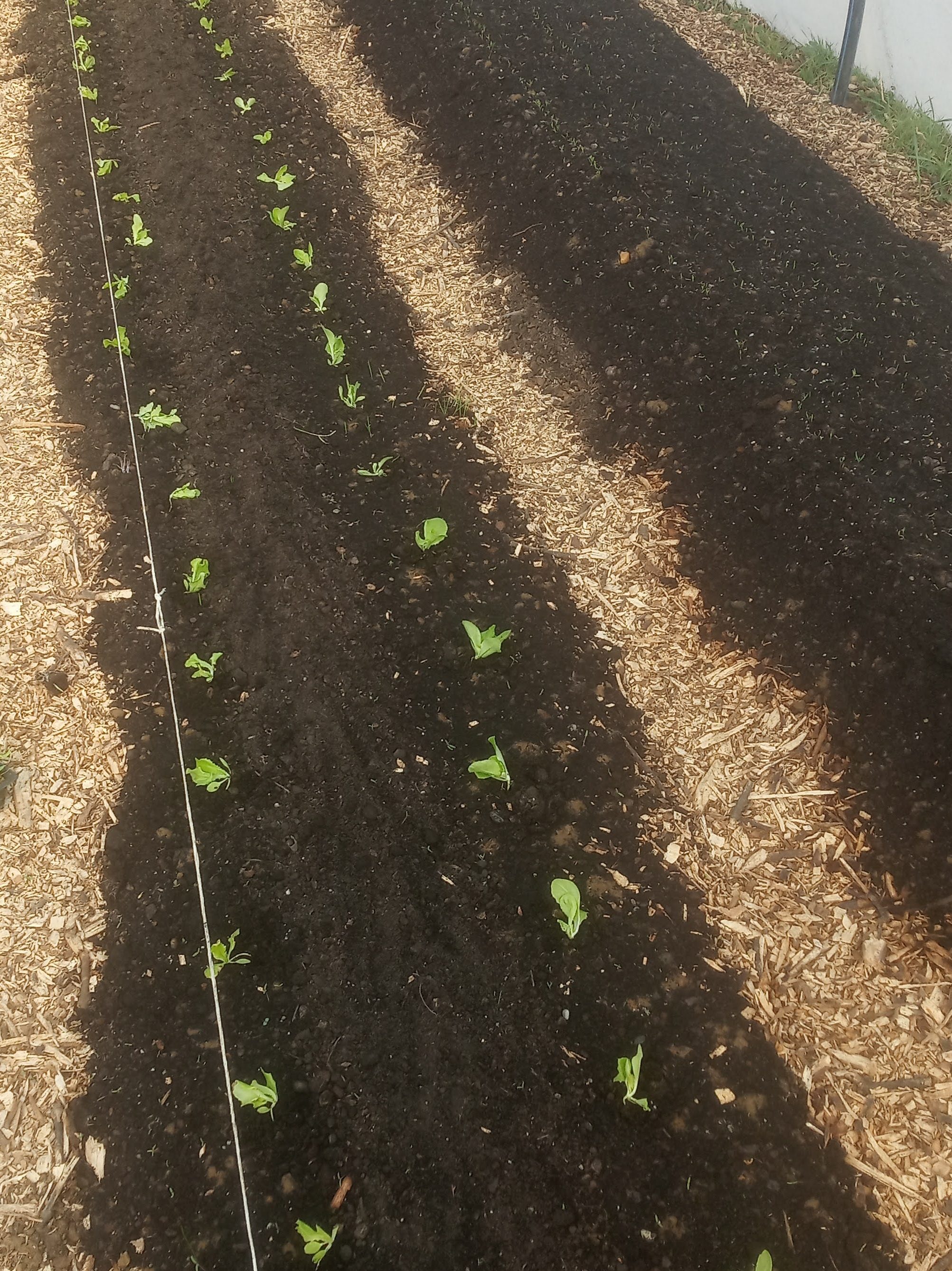
Why I Recommend It
This book isn’t just for large-scale growers—it’s highly adaptable for small gardens. Whether you’re just curious or ready to revolutionize your garden, Jesse’s insights will guide you.
I hope this post sparks your interest in this fantastic book and the broader no-till community. Their YouTube channel offers additional resources, from practical tutorials to inspiring farm stories. Dive in and explore!

Engage with the No-Till Community
Have you tried no-till gardening?
What are your favorite resources for sustainable gardening?
Reading a book or blogs or watching YouTube videos is your way to get new information?
I’d love to hear your thoughts and experiences—let’s keep the conversation going!
 Green to Green