A Hidden Jewel in Australia’s Wilderness
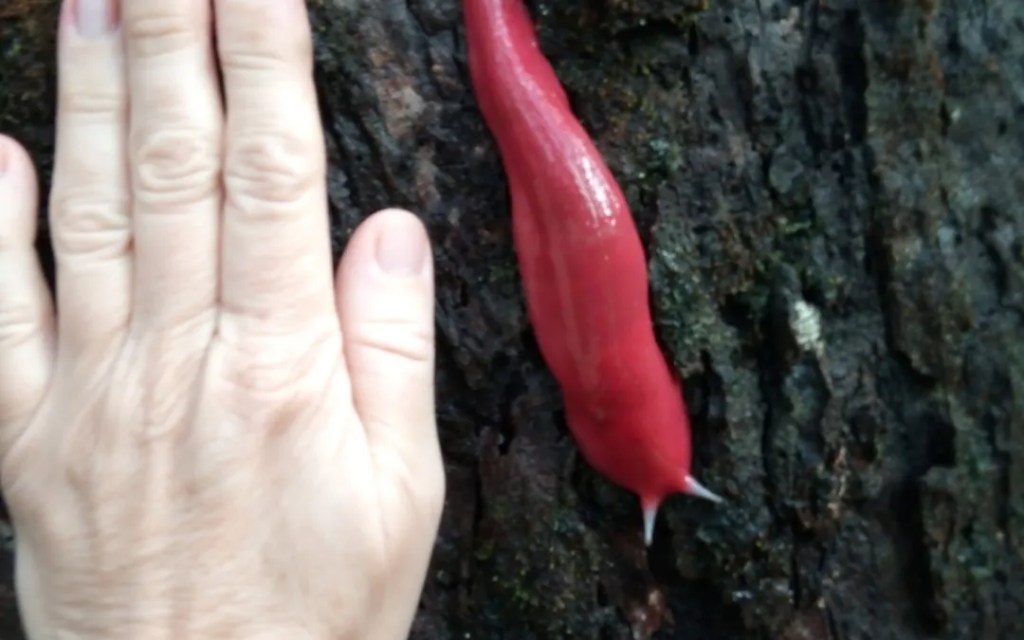
The Kaputar Mountain, an extinct volcano nestled in New South Wales, Australia, is more than just a geological marvel. With its peak standing tall at 1509 meters, it shelters an extraordinary and isolated ecosystem that emerged after its last eruption 17 million years ago. Among its rare treasures is the Kaputar Pink Slug—a vibrant and unique species found nowhere else in the world.
A vibrant creature
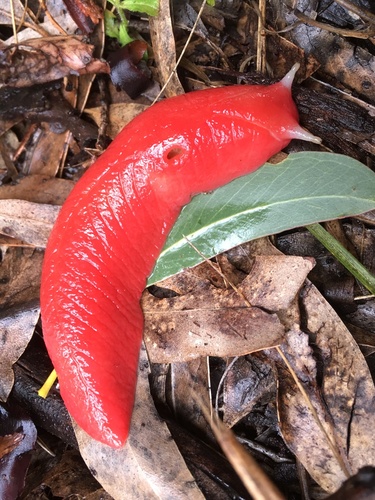
Measuring up to 20 centimeters in length and glowing with a striking pink hue, the Kaputar Pink Slug is a sight to behold. Its existence is tied to the mountain’s moist and cooler climate, which starkly contrasts with the surrounding arid plains.
The Ecosystem at Risk
The peak of Kaputar Mountain hosts a microcosm where rain and snow nurture life. However, 90% of the area’s biodiversity was tragically destroyed during the 2019 Australian bushfires. Despite the devastation, the resilient Kaputar Pink Slug continues to play its part in the ecosystem by converting plant material into nutrient-rich soil and feeding birds and smaller animals.

Life on the Mountain
These nocturnal slugs feed on algae and mosses, climbing trees under the cover of night and retreating to leaf litter during the day. Their vital role in maintaining the ecosystem makes them a key player in the mountain’s recovery.

A Reminder of Fragility
As close relatives of the red triangle slug from eastern Australia, the Kaputar Pink Slugs are a symbol of both resilience and vulnerability. The impact of climate change and bushfires highlights the importance of protecting unique ecosystems like Kaputar Mountain.

 Green to Green
Leave a comment