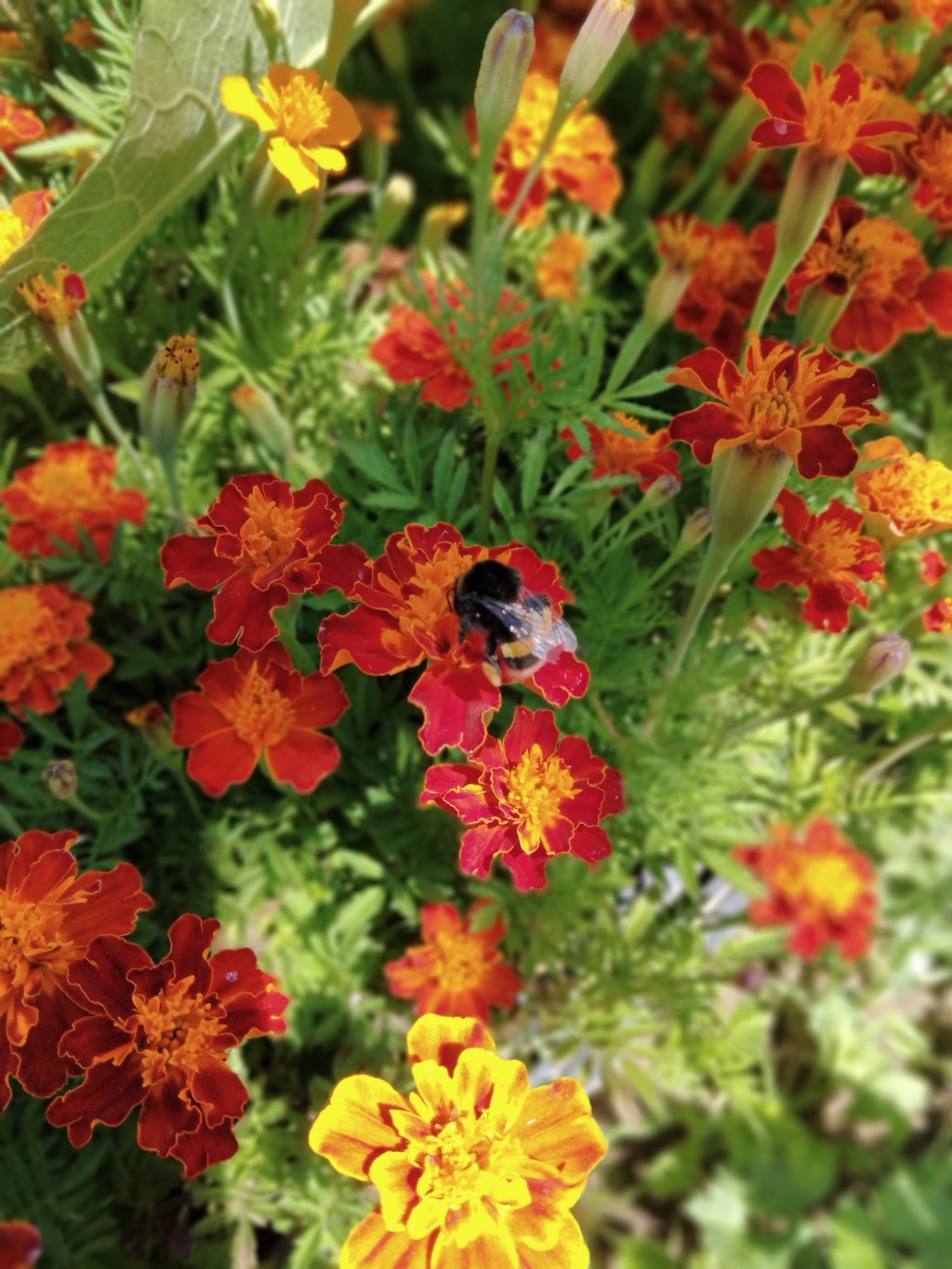
Did you know that the right plant pairings can help you grow healthier crops, naturally repel pests, and improve soil fertility? Welcome to the world of companion planting—a science-backed technique that lets plants work together for a thriving garden!

Companion planting is more than just an old gardening trick—it’s a science-backed method that allows plants to thrive by working together. In nature, plants don’t grow in isolation. Instead, they form mutually beneficial relationships that improve soil health, protect against pests, and increase overall productivity. By applying these natural principles to your garden, you can create a self-sustaining ecosystem where plants support one another, leading to healthier crops and better harvests.
At its core, companion planting is about strategic plant placement. Some plants release natural compounds that deter pests, while others attract beneficial insects like pollinators and predatory bugs. Certain crops even improve soil quality, helping nearby plants absorb essential nutrients. For example, beans fix nitrogen in the soil, benefiting heavy-feeding plants like corn and squash. Meanwhile, marigolds and basil repel harmful insects, keeping tomatoes and peppers pest-free.

The benefits of companion planting go beyond pest control. This method also helps with space optimization—climbing plants like pole beans can grow up cornstalks, while shade-loving crops like lettuce thrive beneath taller plants. Interplanting deep-rooted and shallow-rooted plants prevents competition for nutrients and water, creating a more balanced and productive garden.
By using companion planting principles, gardeners can reduce the need for synthetic pesticides and fertilizers, making their gardens more eco-friendly, sustainable, and cost-effective. Whether you’re a backyard grower, a homesteader, or an urban gardener, this simple yet powerful technique can transform your planting strategy.
For those who want a structured, easy-to-follow chart of the best and worst plant pairings, I put together a Companion Planting Guide with proven combinations. You can find it here.

But how does this really work? Scientists have studied how plants interact through a process called allelopathy (chemical communication), showing that certain crops support each other while others compete. Let’s explore some of the best research-backed pairings!
The Science Behind Companion Planting
Companion planting isn’t just gardening folklore—it has scientific backing from studies in botany, agroecology, and plant interactions. Researchers have identified how allelopathy (chemical communication between plants) helps deter pests, improve nutrient absorption, and enhance crop resilience. Studies show that marigolds release nematode-repelling compounds, basil boosts tomato flavor and disease resistance, and beans fix nitrogen, enriching the soil. Modern agricultural research confirms these plant interactions, proving that strategic planting reduces the need for synthetic pesticides and fertilizers. This approach, rooted in science, enhances biodiversity, productivity, and sustainability, making it a proven method for thriving gardens. 🌿✨
In the following sections, we’ll explore proven plant pairings, common mistakes to avoid, and practical ways to implement companion planting in your own garden. Let’s dive in!

🥕 Best Companion Plant Pairings for Your Garden
✅ Tomatoes & Basil – Basil repels pests like whiteflies and aphids while enhancing tomato flavor.
✅ Carrots & Onions – Onions deter carrot flies, and carrots loosen the soil for onions to grow better.
✅ Corn, Beans & Squash (The Three Sisters) – Beans fix nitrogen, corn provides support for beans, and squash shades the soil, reducing weeds.
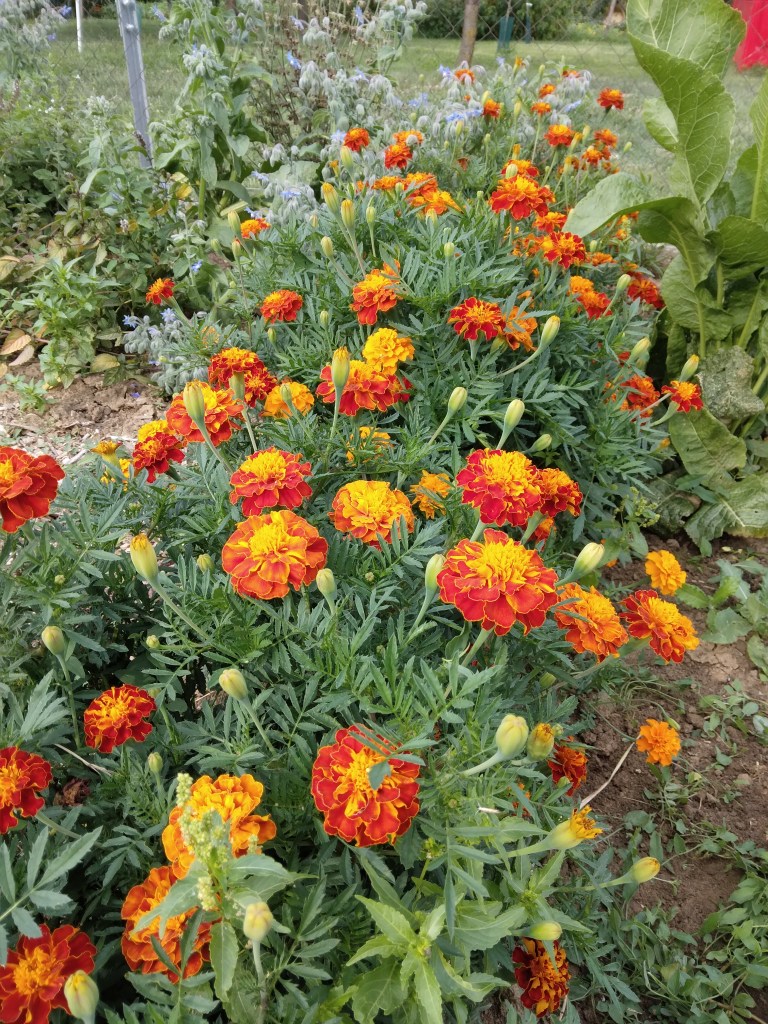
✅ Peppers & Marigolds – Marigolds repel nematodes and aphids, keeping peppers healthy.
✅ Lettuce & Radish – Radishes help break up compacted soil, allowing lettuce to thrive.
These smart pairings create a balanced ecosystem in your garden, reducing the need for chemical pesticides or fertilizers. You can read more about related research here.

🚫 What NOT to Plant Together
❌ Tomatoes & Potatoes – Both are susceptible to late blight, increasing disease risk.
❌ Beans & Onions – Onions stunt bean root development.
❌ Carrots & Dill – Dill can slow down carrot growth if planted too closely.
❌ Fennel & Almost Everything – Releases chemicals that inhibit plant growth around it.
Understanding these bad pairings can save you from poor harvests and struggling plants.

🌱 Why Use Companion Planting?
🌿 Natural Pest Control – Reduce pests without chemicals.
🌿 Better Soil Health – Nitrogen-fixing plants improve fertility.
🌿 Higher Yields – Healthy plants mean more food!
🌿 Space Optimization – Shade-loving plants thrive under taller crops.
By incorporating companion planting strategies, you can maximize your garden’s productivity and health with minimal effort.
📖 Want to Learn More?
Want a detailed, research-backed guide with exclusive charts, scientifically proven pairings, and expert tips? Grab our Companion Planting PDF!
👉 Follow us for more gardening tips! 🌿
📺 Subscribe to our YouTube channel for more tips! Click here!
 Green to Green
Leave a comment