
Climate Change is Here – What Can We Do About It?
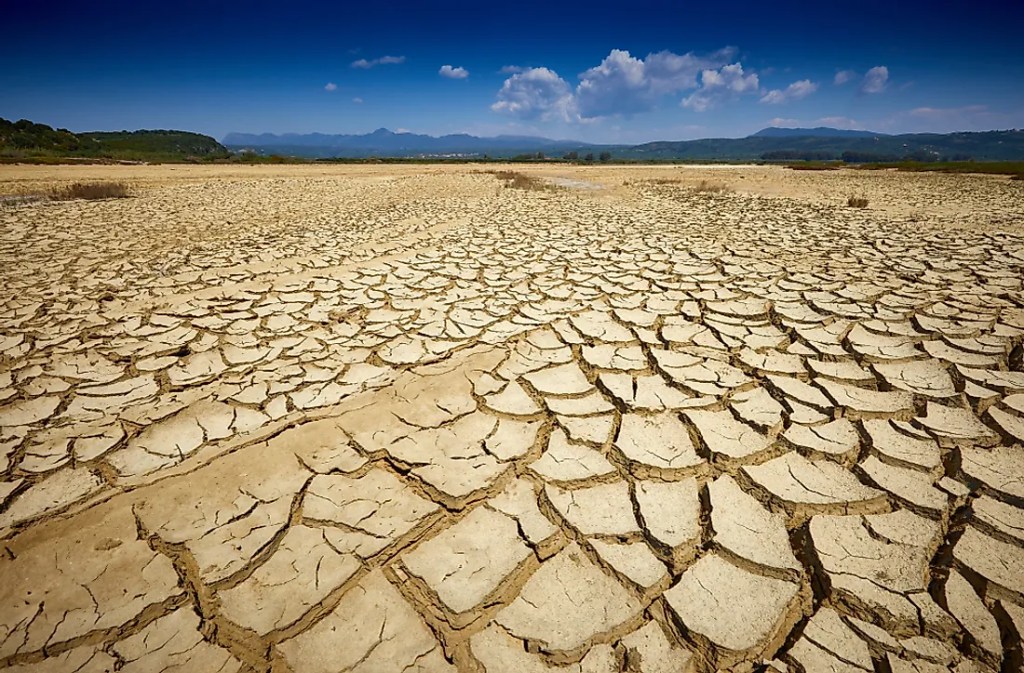
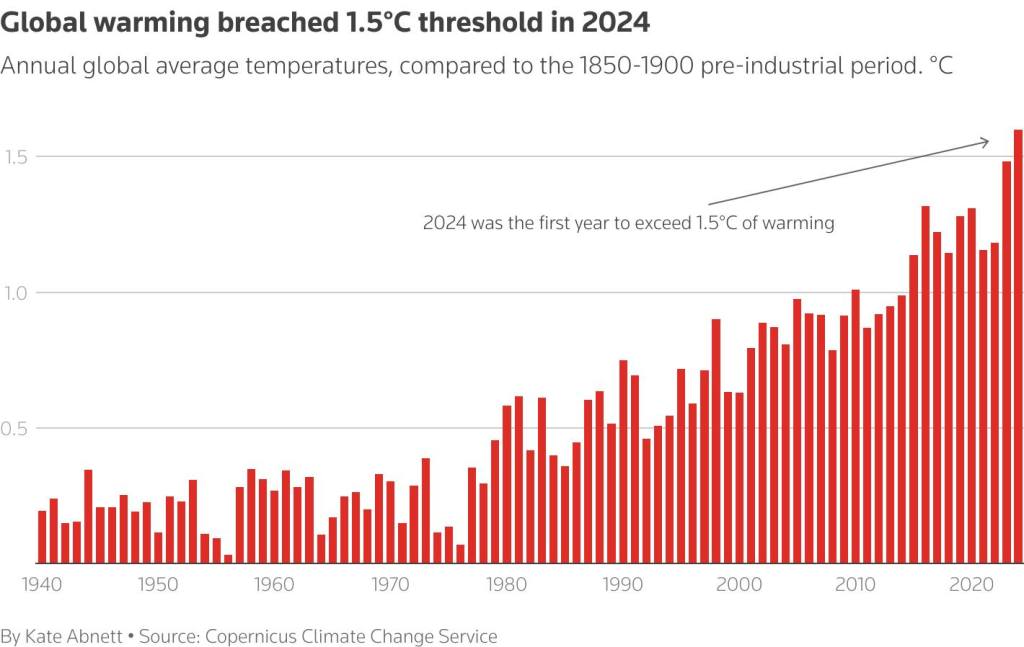
One of today’s most pressing and divisive topics is climate change. In 2024, our planet reached a significant milestone: the global average temperature increase surpassed 1.5 degrees Celsius above pre-industrial levels. This number may not seem alarming at first, but it marks a critical threshold in our climate system—one that scientists have long warned about.
I’m not a climate scientist. I’m a gardener. But I read, I observe, and I care. And as a gardener, this is more than just an environmental issue—it directly impacts the land, the soil, and the ability to grow food. That’s why I want to talk about it. Not to incite fear, but to encourage action, unity, and change.
A Quick Historical Perspective
The industrial revolution brought rapid economic and social changes. It shifted the world’s focus from agriculture to industry, accelerating trade and increasing demand through new technologies.
Scientists began systematically measuring global temperatures in 1850, using the 1850-1890 period as a baseline to track climate change. Back then, the Earth’s average temperature was around 13.5°C.
In 2015, nearly every country signed the Paris Agreement, pledging to keep global warming well below 2°C and ideally below 1.5°C. This wasn’t a random number—scientists identified it as a threshold beyond which climate disruptions could become irreversible and catastrophic.
Why It Matters to You
Climate change is not a distant or abstract problem. It is happening now. The consequences are already unfolding:
✔ More extreme summers: In my childhood, a 30°C day was considered hot. In 2024, Hungary’s summer was 2.7°C hotter than the long-term average. The number of heatwave days (above 35°C) increased from 3 to 14 per summer since 1991.
✔ Unstable weather patterns: Droughts, floods, and extreme weather events are becoming more frequent and severe.
✔ Soil degradation and biodiversity loss: Rising temperatures and erratic rainfall affect plant growth, soil fertility, and natural ecosystems.
Climate Tipping Points – A Critical Threshold
Climate tipping points are irreversible shifts in Earth’s climate system. One major example is Greenland’s ice sheet melt, which has already begun. If this accelerates, it could raise sea levels by up to 7 meters and disrupt the North Atlantic Ocean currents, affecting global weather patterns.
If you want to dive deeper into this, I highly recommend Neil deGrasse Tyson’s recent video: How I Think About Climate Change. It aligns with many points in this article and provides a science-based perspective on why action matters now.
What Can We Do? Practical Action Steps
You might be wondering: What can one person do? The truth is, you’re not alone. Every choice, no matter how small, contributes to a larger impact.
🌿 Start in Your Own Garden:
✅ Avoid synthetic pesticides and fertilizers – These contribute to soil degradation and water pollution.
✅ Increase plant diversity – A biodiverse garden is more resilient to climate shifts.
✅ Protect and enrich your soil – Use cover crops, compost, and mulching to build healthier, carbon-rich soil.
✅ Support natural ecosystems – Plant trees, shrubs, and native plants to strengthen local biodiversity.
🌎 On a Larger Scale:
✅ Stay informed & share knowledge – The more people understand climate change, the stronger our collective response can be.
✅ Reduce waste and carbon footprint – Simple changes like composting, using renewable energy, and minimizing single-use plastics make a difference.
✅ Support sustainable agriculture – Buy from local, organic farms that prioritize soil health and regenerative practices.
Final Thoughts: Your Garden is a Reflection of the Planet
Your garden is more than just a plot of land—it’s an ecosystem. Every choice you make influences its health, just as our collective choices shape the future of our planet. We’re in this together, and we all have a role to play.
If this resonates with you, share this article so more people can understand what’s at stake and what they can do about it.
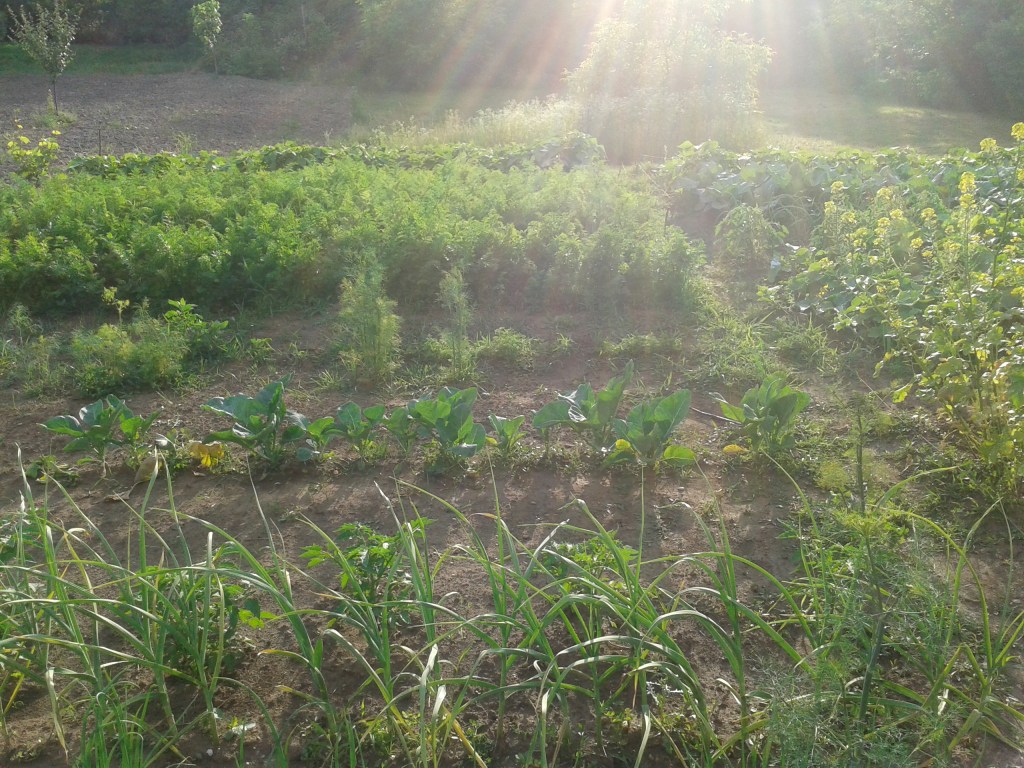
Let’s take action—not out of fear, but out of responsibility and hope for a better future.
Want to learn more? Check out my YouTube channel for gardening tips, climate insights, and sustainable practices!
Like, share, and hit the bell icon to stay updated with new content!


 Green to Green
Leave a comment