In February I wrote a post about the importance of cuttings. As a gardener you can have basically free plants in your paradise using those simple tips and tricks. If you missed the original cuttings post in February you can read it here.
After couple weeks here is the first update! I will share the experiences and show the improvements. We move from species to species so you can see the basic differences.
Current currant rooting situation
Lets start with the easiest one for beginners: the black currant. Its rooting success way above 90% and its development is fairly quick. There is no need for tricks, just water and shade and after approximately 10 weeks you can pot the rooted cuttings.
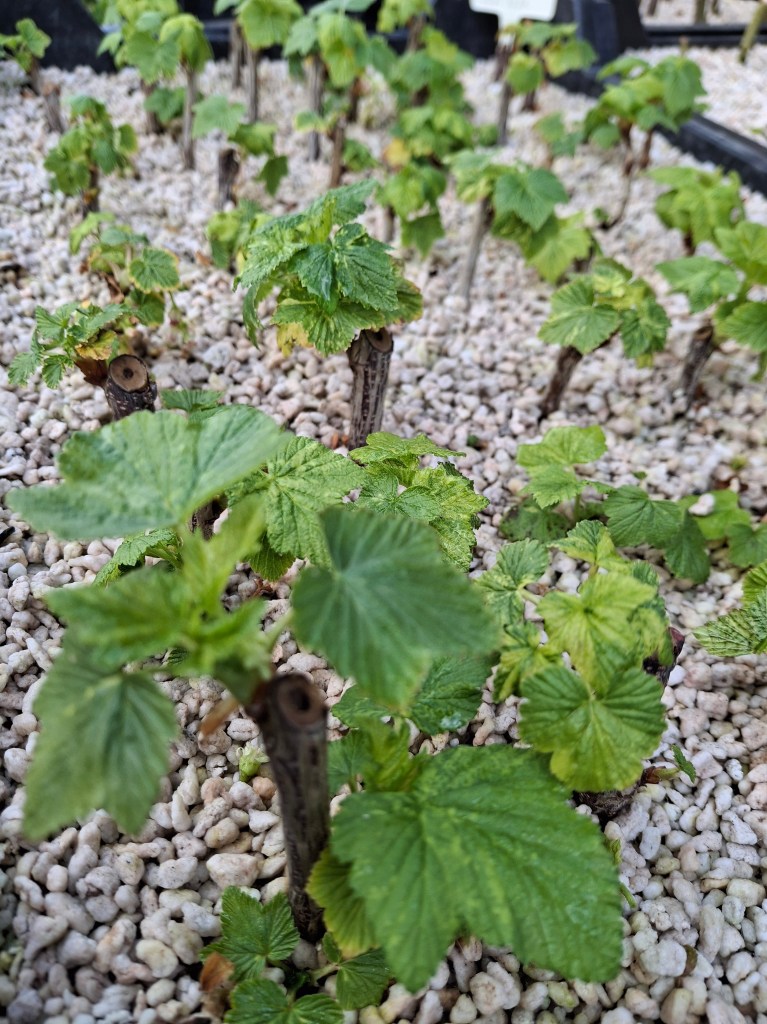
Sometimes you will recognize flowers on the cuttings. It is not necessary to remove them but certainly speeds up the development.
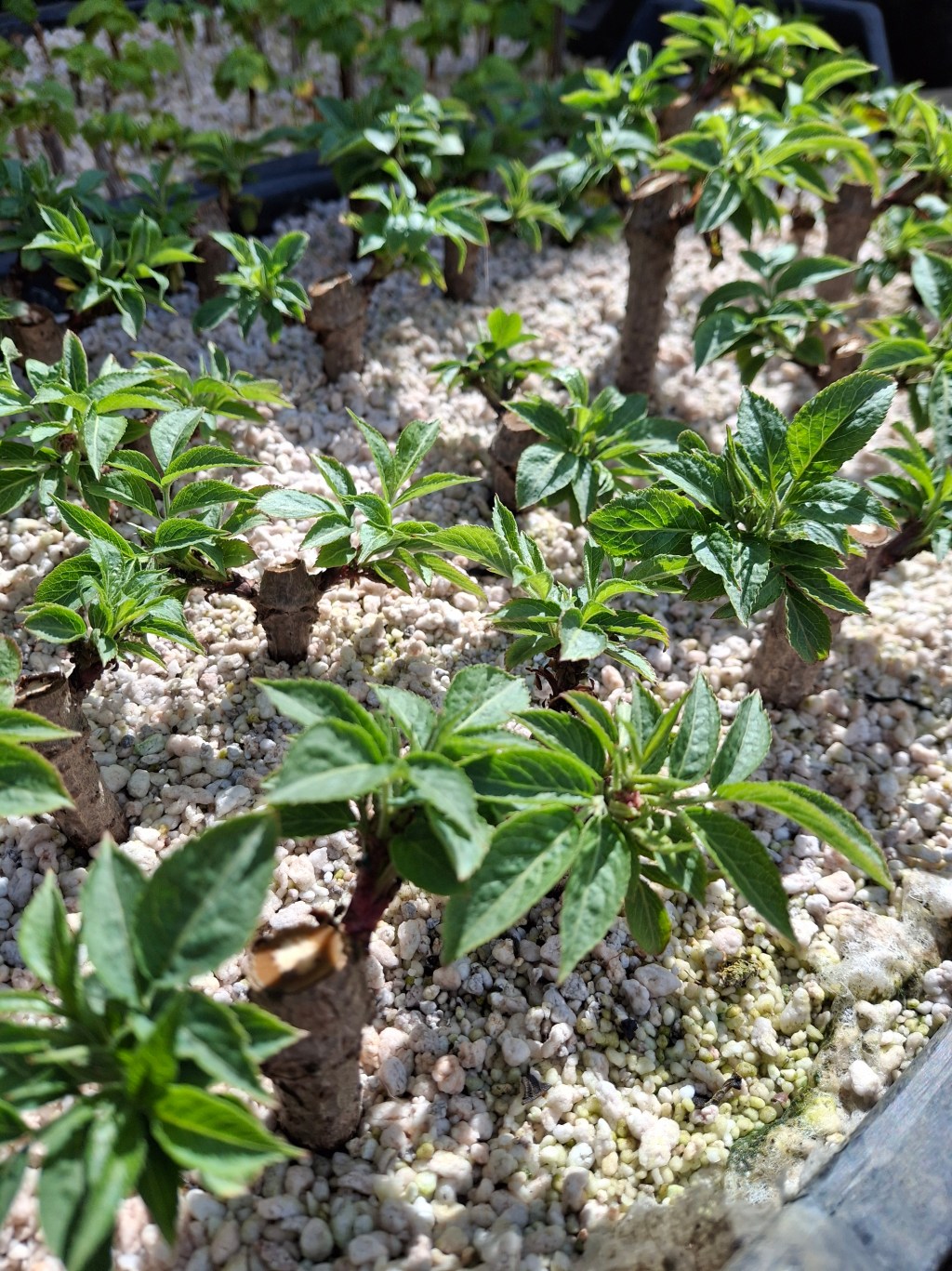
Elderberry into every garden!
I love elderberry! This plant is amazing to have: act as a trap plant for aphids, you can make delicious drink from the flowers, from the berries jam can be prepared and easy to root the cuttings. Rooting is above average, no tricks needed, only the right humidity and shade against the burning sun. Aphids will find the plants soon so be careful.

Elderberries start a bit slower than black currants cuttings but will develop strong root system quickly.
Fig is surprising me!
Fig is an interesting and fairly difficult plant to root. My experience is that green cuttings perform better than woody cuttings. Fig cuttings start late and develop slowly so the difference between elderberry and fig cuttings are huge.
I do not use rooting hormone, not even the natural one. Sometimes I water the cuttings with willow water, which is made by soaking willow stems in water. I cut fresh, young stems and chop them into smaller pieces, around 5-8 cm (2 or 3 inches) and pour water on them. I leave it soaking for at least 2 or 3 days before using it.
Autumn Olive is difficult but definitely worth
Autumn Olive (Elaeagnus umbellata) has many names in English and I prefer the Japanese silverberry. I bought this plant because I was amazed by its characteristics: nitrogen-fixation and the taste of the berries. Silverberry can increase available nitrogen in soils and benefit nearby plants. When grown in orchards, it increases yields of adjacent fruit trees and bushes. I was not so lucky with cuttings of Japanese silverberry so far, I would say 2-3 was successful out of 10 cuttings.
Japanese silverberry develops slowly and it is sensitive to heat. The ideal temperature for these cuttings is no more than 35 Celsius in a greenhouse. Be careful with watering, never let the rooting medium to dry out.
Summary
The cuttings doing well, the rooting rate is above average. Black currants and elderberries performed greatly! Shading and watering is key to success in the next 3-4 weeks. This spring I have not made cuttings from all of my bushes because I simply had not enough time but I will cut some gooseberries as green cuttings soon.
Please write me about your experiences in comments and subscribe if you find my posts helpful or informative!
Have a great gardening day!
 Green to Green
Leave a comment