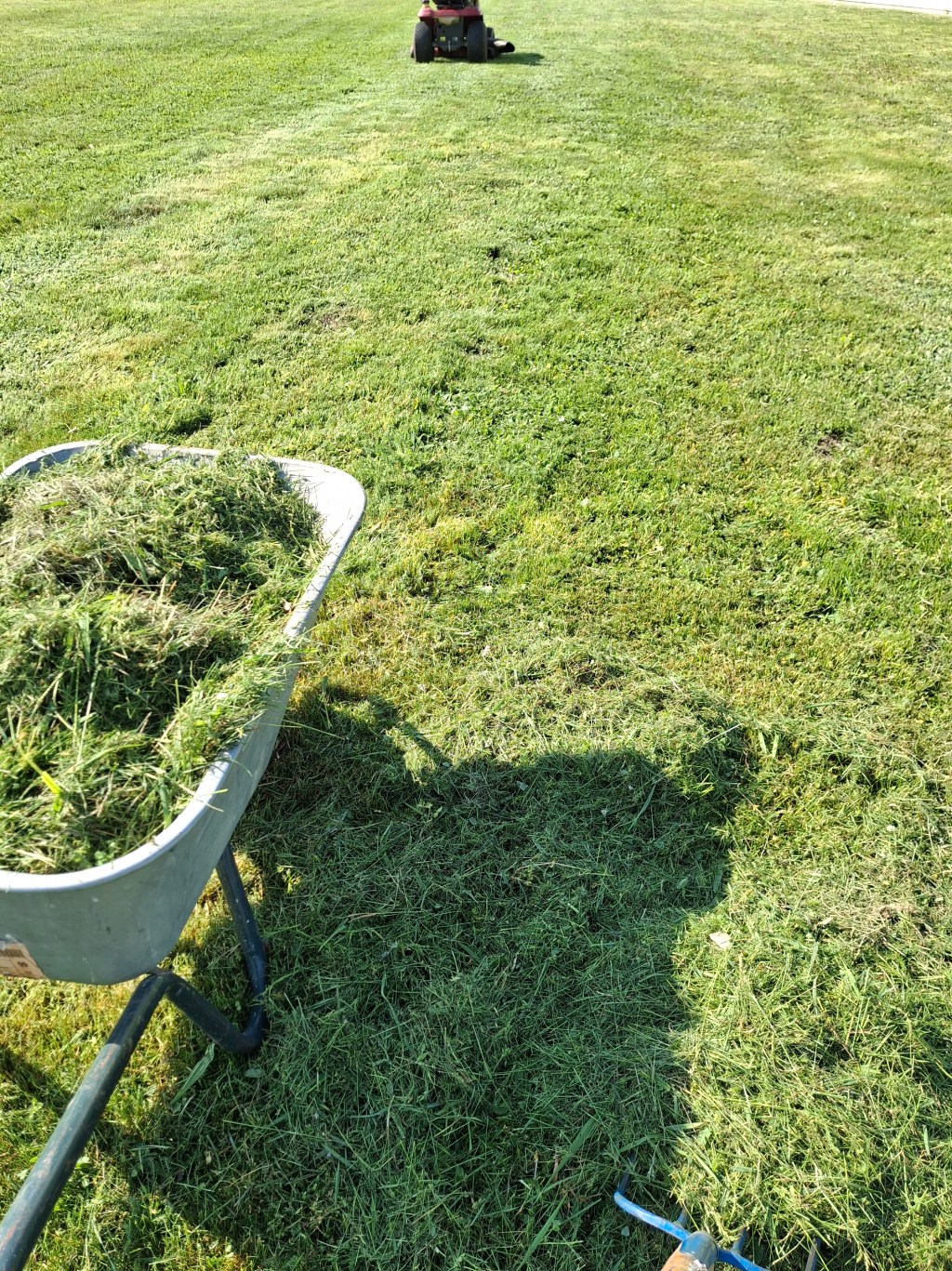
Looking to turn your grass clippings into nutrient-rich, organic compost but you do not have manure? If you have no animals to collect manure or simply want a cleaner, plant-based approach to composting, you’re in the right place. In this post, I’ll show you how to make nutrient-rich compost using only fresh green materials like grass, all while keeping the process simple, sustainable, and completely natural. Perfect for small gardens, urban spaces, and anyone following a no-manure gardening philosophy.
Why compost without manure?
Many gardeners have no animals so they would transport manure from somewhere else. That is not ecological because of the transportation fee and the environmental effects. In addition to that you cannot be sure if the animals were fed a healthy and drug-free diet. Your best choice to provide the appropriate soil for your organic garden is your own grass clippings. Diverse types of grasses not only nourish your compost but also support beneficial insects, little animals and birds while growing. When you cut this natural habitat, those clippings will add even more value to your compost, enriching its nutrient content. Leaving out animal manure will result an odor- and pathogens-free supplement to your garden.
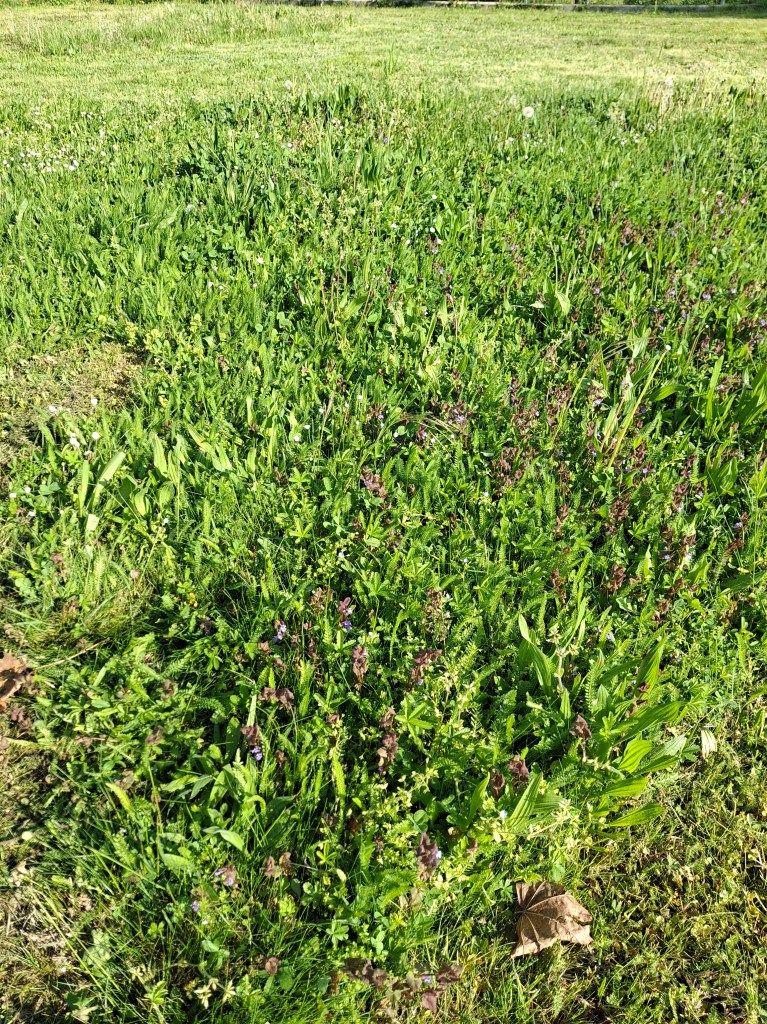
What you will need
Cut grass, that is the basic ingredient for this compost method. When you mow your lawn or mow the grass with a scythe you will get fresh, wet clippings. Lay it down on the ground and turn back and forth couple times in a day to make it drier a bit. To make the process even more smooth you can add dry leaves to the pile in layers (if you have some in the beginning of Spring).

The right balance of green and brown parts.
For effective grass-based composting you will need roughly 3 parts “brown” material and one part “green” material. Dry leaves, straw or dried wood called brown materials which are high in carbon. Freshly cut grass and vegetables, fruit peelings are green materials high in nitrogen. Maintaining a 3:1 ratio, 3 brown to 1 green is going to provide the appropriate environment for the composting processes.

Step-by-Step Composting Process
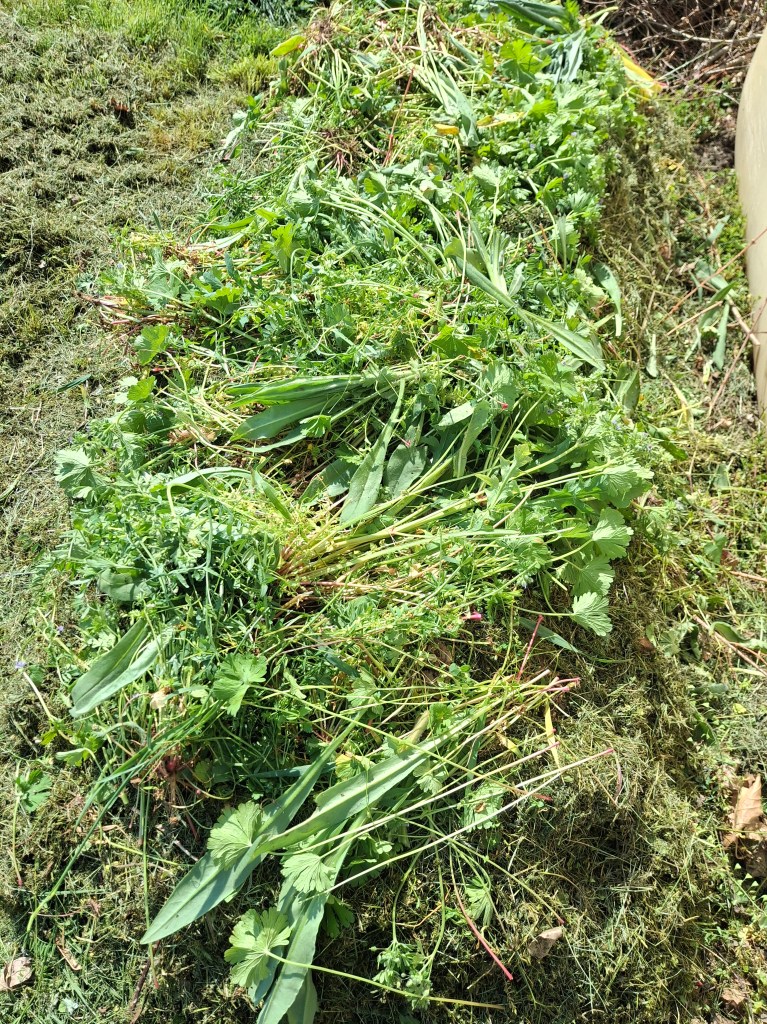
First layers should be brown, so place leaves and smaller branches on the ground in a thin layer. Next layer is a green one with the fresh cuttings. Freshly cut but dried grass is almost the best ingredient for composting and we use it as brown materials. Layer after layer will build a nice pile. You should not build higher than 1 meter. The green cuttings probably will provide enough moisture to start the composting process but you can add some water to the pile. Do not soak it with too much water because that will result rotting layers. Every week we turn the pile.
How Long It Takes & What to Expect
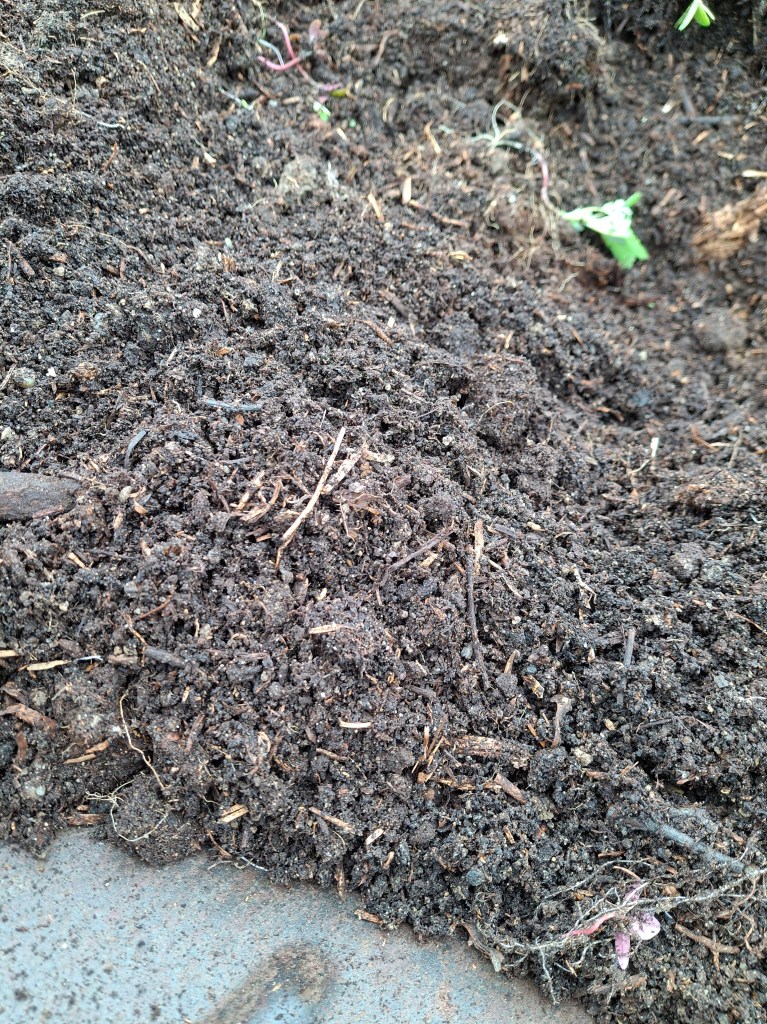
Normally it takes 4-8 weeks for the pile to compost completely. We monitor the process and turn the pile every week. Add water to the grass when it dries out. Week after week the color is going to change from greenish to darker brownish. The final result is dark and crumbly with an earthy, good smell.
Common Mistakes to Avoid as a Beginner
Do not use freshly cut clippings alone to build the pile!
Do not let the pile dry out! Water it if it gets dry!
Do not water too much!
Do not forget to turn the pile!

Final Tips for Organic Gardeners
You own compost can be used for seeding and seedling cultivation or you can mix it with your soil to enrich it. If you like building high beds add this compost to it as a final layer. Creating your own supplement is the most eco-friendly way of organic gardening.
Share your experience with us or ask questions in the comments!
 Green to Green
Leave a comment