
Introduction: Gardening Beyond the Surface
Most people think gardening is just about planting seeds, watering, and waiting for the harvest. Gardening is about working with nature, not against it. A thriving, self-sufficient garden starts beneath the surface, in the soil. That’s where no-dig gardening comes in—a method that builds soil health naturally, making it more productive while requiring less labor and disturbance.
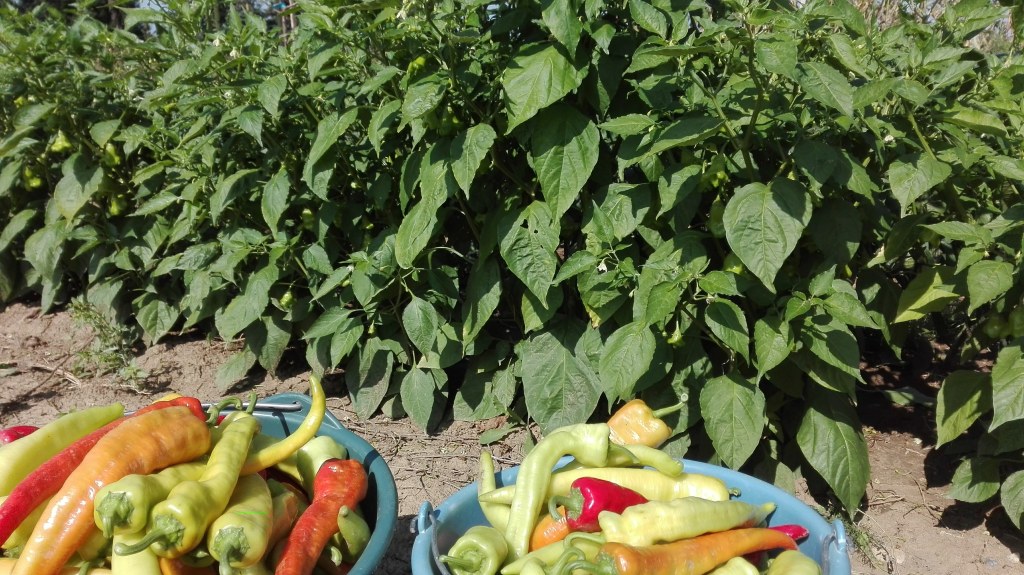
But beyond just soil health, planning a sustainable garden means designing a system that provides for itself—where nutrients cycle, plants support each other, and nothing goes to waste. This is the foundation of self-sufficiency, and permaculture principles help us design it wisely.
In this post, I’ll share:
✔️ Why no-dig gardening works (and how it supports self-sufficiency)
✔️ How to plan a sustainable, productive garden
✔️ The cycle of sustainability – creating a closed-loop system
✔️ Permaculture ethics & principles for better planning

Why No-Dig Gardening is the Foundation of Self-Sufficiency
Observe Nature thoughtfully rather than labour thoughtlessly.
One Straw Revolution by Masanoba Fukuoka
No-dig gardening is more than just avoiding tilling—it’s a strategy that makes your garden healthier, more productive, and lower maintenance over time.
The Benefits of No-Dig Gardening:
✔️ Soil Health → Keeps soil life undisturbed, supporting microbes, earthworms, and fungi.
✔️ Moisture Retention → Mulched soil stays moist longer, reducing the need for watering.
✔️ Less Weeds → No digging means weed seeds stay buried instead of sprouting.
✔️ Nutrient Cycling → Organic matter breaks down naturally, feeding plants over time.
✔️ Less Work → No back-breaking tilling—just build soil layer by layer!
The Circle of Sustainability – A Self-Sufficient Garden in Action
Self-sufficiency in gardening is not just about growing food—it’s about creating a closed-loop system, where everything you need comes from within the system itself.
Here’s how it works in my garden:
✔️ I grow food → eat or sell the harvest.
✔️ Leftover plants & kitchen scraps → go to compost or animals.
✔️ Animals (hens, geese) → provide eggs, meat, and manure.
✔️ Manure + plant waste → feeds the compost.
✔️ Compost → enriches the soil, so I grow more food.
✔️ The cycle repeats, reducing outside inputs.
This is true sustainability: feeding the soil, feeding myself, feeding the system—with nothing wasted.

How to Plan a Sustainable, No-Dig Garden
The key to a resilient garden is thinking long-term, designing a system that takes care of itself instead of relying on constant human intervention.
1️⃣ Start with Healthy Soil
✔️ Lay down compost, manure, or mulch to feed microbes.
✔️ Avoid digging—just keep adding organic layers!
✔️ Cover soil with straw, wood chips, or leaves to protect it.
2️⃣ Plan for Perennial & Companion Planting
✔️ Mix deep-rooted plants (like comfrey) with shallow-rooted ones to improve soil.
✔️ Use companion plants to deter pests & boost growth.
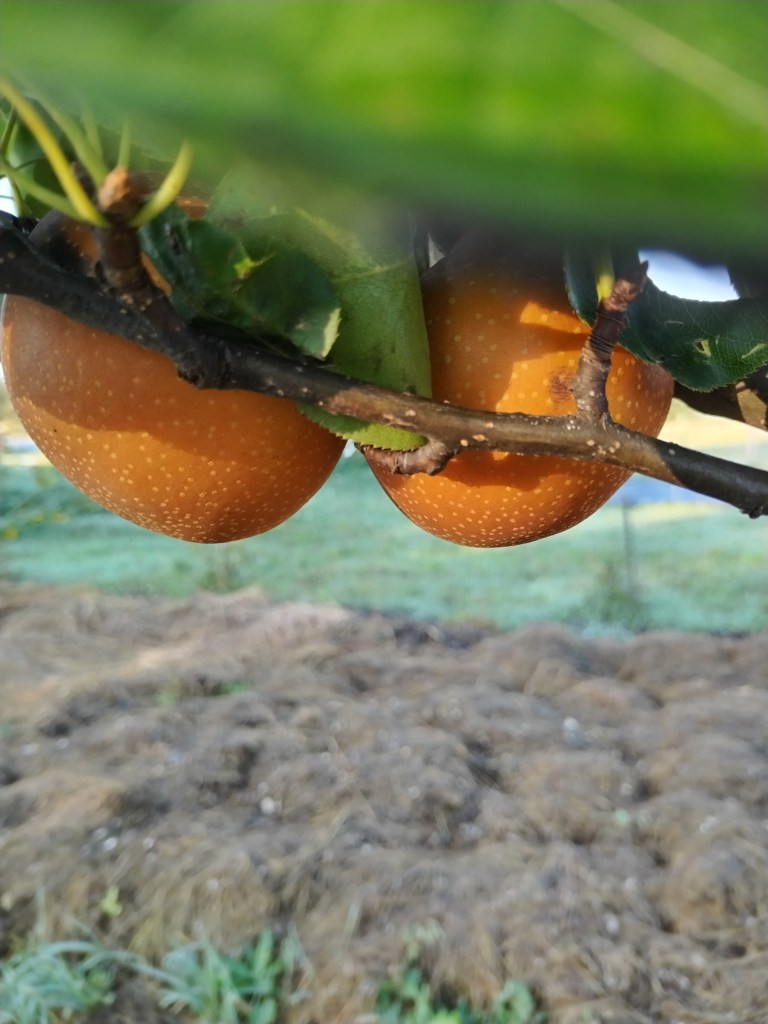
✔️ Add perennials like berry bushes & fruit trees for a stable food source.
3️⃣ Integrate Animals & Natural Fertility
✔️ Hens or ducks? They eat pests & fertilize the soil!
✔️ Manure composting (chicken, rabbit, or horse) builds soil naturally.
✔️ Let animals “mow” grass instead of tilling!
4️⃣ Maximize Space & Extend the Season
✔️ Use raised beds, trellises, & vertical growing to increase yield.
✔️ Start seeds early in a greenhouse or cold frame.
✔️ Plan successions to keep food growing year-round.
Permaculture Ethics & Principles in Garden Planning
Permaculture is more than gardening—it’s about designing systems that work naturally & regenerate themselves.
🌎 The 3 Core Ethics:
✔️ Earth Care → Protect the soil, water, and biodiversity.
✔️ People Care → Grow food for health, share knowledge & skills.
✔️ Fair Share → Avoid waste, cycle nutrients, and distribute surplus.
🌿 Key Permaculture Principles for Self-Sufficiency:
✔️ Work with nature, not against it → No-dig respects soil life.
✔️ Produce no waste → Compost everything.
✔️ Diversity over monoculture → Grow a mix of plants for resilience.
✔️ Slow & small solutions → Build fertility gradually, don’t rush.
💡 Your garden isn’t just about growing food—it’s about building a system that thrives year after year.
Final Thoughts: Build a Garden That Grows Itself
A no-dig, self-sufficient garden is the most natural way to grow food—healthier for the soil, easier for you, and more productive over time.
💡 Start with healthy soil.
💡 Think in cycles, not single harvests.
💡 Work with nature, not against it.
💡 Let your garden take care of itself—while feeding you in return.
Are you ready to build a garden that sustains itself? Let’s grow something amazing together!
Want a complete, easy-to-use guide on companion planting? Check out my Companion Planting Guide for the best and worst plant pairings!
I share my gardening life and proved methods on my YouTube channel. Please, support me with a visit and subscribe for more educational content! Thank you for your support!

 Green to Green
Leave a comment